
Comparing 25.1kWh LiFePO4 EV Batteries with Other Lithium Options: A Comprehensive Analysis
Introduction: Understanding EV Battery Technologies In the rapidly evolving world of electric vehicles (EVs), battery technology plays a pivotal role in determining performance, longevity, and overall user experience. Among various battery chemistries available, **25.1kWh LiFePO4 (Lithium Iron Phosphate)** batteries have garnered attention. This article aims to compare **25.1kWh LiFePO4 EV batteri
Feb 18,2026
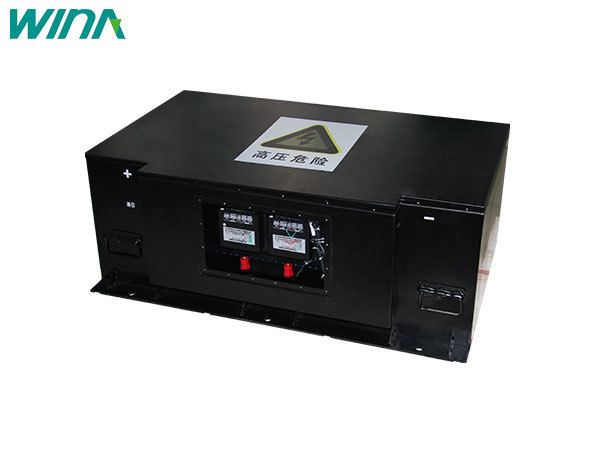
Introduction: Understanding EV Battery Technologies
In the rapidly evolving world of electric vehicles (EVs), battery technology plays a pivotal role in determining performance, longevity, and overall user experience. Among various battery chemistries available, **25.1kWh LiFePO4 (Lithium Iron Phosphate)** batteries have garnered attention. This article aims to compare **25.1kWh LiFePO4 EV batteries** with other lithium battery options, emphasizing their strengths, weaknesses, and suitability for different applications.
Table of Contents
- What is LiFePO4: An Overview
- Benefits of 25.1kWh LiFePO4 Batteries
- Comparative Analysis of Lithium Battery Options
- Cost Effectiveness of LiFePO4 vs Other Lithium Batteries
- Performance Metrics: Capacity, Lifespan, and Efficiency
- Safety and Environmental Impact
- Real-World Applications of 25.1kWh LiFePO4 Batteries
- FAQs
- Conclusion: Making an Informed Choice
What is LiFePO4: An Overview
**Lithium Iron Phosphate (LiFePO4)** is a type of lithium-ion battery known for its unique chemical composition. The **25.1kWh LiFePO4** EV battery offers a significant energy capacity that is suitable for various electric vehicle applications. Unlike traditional lithium-ion batteries, LiFePO4 batteries utilize iron phosphate as the cathode material, which influences their performance and safety profile.
The structure of LiFePO4 batteries provides excellent thermal stability, a crucial factor for safety in electric vehicles. Additionally, LiFePO4 batteries have a lower environmental impact compared to other lithium battery types, making them an appealing choice for eco-conscious consumers.
Benefits of 25.1kWh LiFePO4 Batteries
The **25.1kWh LiFePO4 battery** comes with a range of benefits that set it apart from other lithium options:
1. Enhanced Safety Features
One of the primary advantages of LiFePO4 batteries is their inherent safety. They are less prone to thermal runaway, which can lead to battery fires—a significant concern in traditional lithium-ion batteries. This characteristic makes LiFePO4 batteries a safer choice for electric vehicles, particularly in high-performance applications.
2. Longer Lifespan
LiFePO4 batteries typically offer a longer cycle life compared to their lithium-ion counterparts, often lasting up to **2000-3000 charge cycles**. This longevity translates to lower replacement costs and reduced environmental impact over time.
3. High Current Rating
LiFePO4 batteries can sustain high discharge rates, making them suitable for applications requiring quick power bursts. This feature is particularly beneficial for electric vehicles that demand instantaneous acceleration or heavy loads.
4. Eco-Friendly Option
Utilizing non-toxic materials, LiFePO4 batteries are considered more environmentally friendly than other lithium alternatives. Their production and disposal have a reduced ecological footprint, aligning with the growing demand for sustainable technologies.
Comparative Analysis of Lithium Battery Options
To provide a clear picture of how **25.1kWh LiFePO4 batteries** measure up against other lithium battery options, we will compare them with **Lithium Nickel Cobalt Aluminum Oxide (NCA)**, **Lithium Nickel Manganese Cobalt (NMC)**, and **Lithium Cobalt Oxide (LCO)** batteries.
1. Energy Density
Energy density reflects how much energy a battery can store relative to its weight. While LiFePO4 batteries generally have a lower energy density (around **90-120 Wh/kg**) compared to NCA and NMC batteries (which can reach **150-250 Wh/kg**), they compensate with higher safety and lifecycle benefits.
2. Cost Considerations
LiFePO4 batteries tend to be more affordable in the long run due to their longevity; however, the initial purchase price may be higher than some lithium alternatives. NMC and NCA batteries, while having higher energy density, also come with higher production costs associated with their cobalt and nickel content.
3. Temperature Stability
LiFePO4 batteries exhibit excellent thermal stability, operating effectively in a wide range of temperatures. In contrast, NMC and NCA batteries can suffer from performance degradation and safety issues at high temperatures.
Cost Effectiveness of LiFePO4 vs Other Lithium Batteries
When evaluating the cost-effectiveness of **25.1kWh LiFePO4 batteries**, we must consider both initial investment and total lifecycle costs.
1. Initial Investment
The upfront cost of LiFePO4 batteries can be higher due to their specialized manufacturing processes. However, many consumers overlook the long-term savings achieved through extended lifespan and reduced replacement frequency.
2. Total Cost of Ownership
LiFePO4 batteries often yield a lower total cost of ownership when considering their longevity and reliability. In contrast, batteries like NMC may require more frequent replacements, increasing overall expenditure over time.
Performance Metrics: Capacity, Lifespan, and Efficiency
Understanding the performance metrics of **25.1kWh LiFePO4 batteries** is crucial for consumers and manufacturers alike.
1. Capacity and Energy Output
With a scalable capacity of **25.1 kWh**, LiFePO4 batteries deliver ample energy for various electric vehicle applications, ranging from personal cars to larger commercial vehicles. Their consistent energy output ensures reliable performance under diverse conditions.
2. Lifespan and Cycle Efficiency
LiFePO4 batteries boast impressive cycle life, maintaining **80% of their capacity** after thousands of cycles. This efficiency allows users to benefit from consistent performance over extended periods.
3. Charge and Discharge Rates
LiFePO4 batteries can handle both high charge and discharge rates without significant degradation. This feature is particularly important for electric vehicles that require rapid acceleration and efficient energy recovery during braking.
Safety and Environmental Impact
As electric vehicles become more mainstream, the safety and environmental impact of their batteries are under scrutiny.
1. Safety Standards
LiFePO4 batteries are known for their robust safety profile. Their chemistry makes them less susceptible to combustion or explosion, even under extreme conditions. This characteristic is especially advantageous for electric vehicles, where battery safety is paramount.
2. Environmental Considerations
The lower toxicity of LiFePO4 batteries contributes to their environmental appeal. With reduced reliance on hazardous materials such as cobalt, LiFePO4 technology represents a more sustainable option for the future of electric transportation.
Real-World Applications of 25.1kWh LiFePO4 Batteries
Understanding where and how **25.1kWh LiFePO4 batteries** are applied can provide insights into their versatility and effectiveness.
1. Electric Vehicles
As the primary focus of this article, the use of LiFePO4 batteries in electric vehicles is steadily increasing. Their safety, longevity, and performance make them an excellent choice for personal cars, buses, and heavy-duty trucks.
2. Renewable Energy Storage
LiFePO4 batteries are also gaining traction in renewable energy systems, such as solar energy storage. Their ability to handle frequent charge cycles makes them ideal for storing excess energy generated during peak sunlight hours.
3. Commercial Applications
Businesses exploring electric solutions for delivery vehicles or fleet management are increasingly adopting **25.1kWh LiFePO4 batteries** due to their reliability and low maintenance costs.
FAQs
1. What is the lifespan of a 25.1kWh LiFePO4 battery?
The lifespan can range from **2000 to 3000 charge cycles**, depending on usage and operating conditions.
2. How do LiFePO4 batteries compare to NMC batteries?
LiFePO4 batteries are typically safer and have a longer lifespan but lower energy density compared to NMC batteries.
3. Are LiFePO4 batteries more environmentally friendly?
Yes, LiFePO4 batteries utilize non-toxic materials and have a lower environmental impact compared to other lithium batteries.
4. Can LiFePO4 batteries be used in high-temperature environments?
Yes, they have excellent thermal stability and can operate effectively in a wide range of temperatures.
5. What are the charging times for 25.1kWh LiFePO4 batteries?
Charging times can vary but generally range between **4 to 8 hours**, depending on the charger used and the battery's state of charge.
Conclusion: Making an Informed Choice
In conclusion, the **25.1kWh LiFePO4 battery** presents a compelling option for electric vehicles and beyond. Its combination of safety, durability, and environmental benefits positions it as a strong contender against other lithium battery technologies. As consumers and manufacturers continue to prioritize sustainability and performance, understanding the intricacies of battery technologies will be vital for making informed choices in the electric vehicle market. Whether for personal use or commercial applications, the advantages of **25.1kWh LiFePO4 batteries** make them an appealing option for the future of transportation.

Request Quote
Note: Please be sure to fill in the information accurately and keep communication open, we will get in touch with you as soon as possible