
How 25.1kWh LiFePO4 EV Batteries Enhance Your Electric Vehicle Performance
How 25.1kWh LiFePO4 EV Batteries Enhance Your Electric Vehicle Performance Table of Contents 1. Introduction to LiFePO4 EV Batteries 2. What is LiFePO4 Technology? 3. Benefits of 25.1kWh LiFePO4 Batteries for Electric Vehicles 3.1 High Energy Density 3.2 Safety and Thermal Stability 3.3 Longevity and Cycle Life 4. Applications
Dec 22,2025
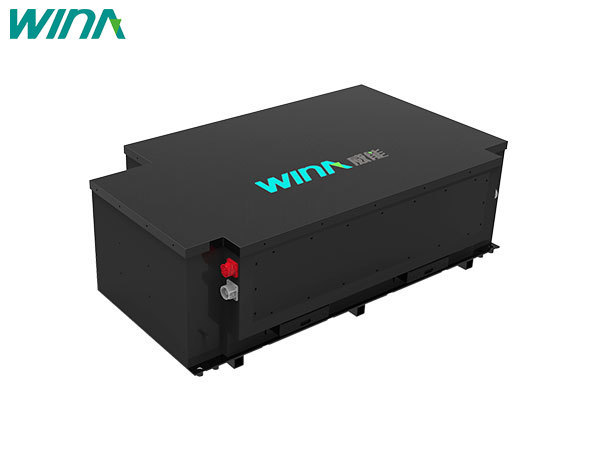
How 25.1kWh LiFePO4 EV Batteries Enhance Your Electric Vehicle Performance
Table of Contents
- 1. Introduction to LiFePO4 EV Batteries
- 2. What is LiFePO4 Technology?
- 3. Benefits of 25.1kWh LiFePO4 Batteries for Electric Vehicles
- 4. Applications of 25.1kWh LiFePO4 Batteries
- 5. Enhancing Electric Vehicle Performance with LiFePO4 Batteries
- 6. Comparing LiFePO4 with Other Battery Technologies
- 7. Future Trends in EV Battery Technology
- 8. Frequently Asked Questions
- 9. Conclusion
1. Introduction to LiFePO4 EV Batteries
The electric vehicle (EV) market is rapidly evolving, with advancements in battery technologies paving the way for improved performance and sustainability. Among these innovations, the **25.1kWh LiFePO4 (Lithium Iron Phosphate)** battery stands out for its remarkable advantages, transforming how we think about electric mobility. In this article, we will delve into what LiFePO4 technology is, its benefits for electric vehicles, and how it enhances performance, making it a popular choice among manufacturers and consumers alike.
2. What is LiFePO4 Technology?
LiFePO4 technology refers to a type of lithium battery that uses lithium iron phosphate as its cathode material. This technology is known for its stability and safety compared to other lithium-based batteries. The **25.1kWh capacity** indicates that it can store enough energy to power an electric vehicle, providing an optimal balance between weight, efficiency, and energy output.
LiFePO4 batteries are constructed to offer better thermal and chemical stability, which directly impacts their performance in various environmental conditions. This makes them particularly suitable for electric vehicles that demand a reliable and efficient power source.
3. Benefits of 25.1kWh LiFePO4 Batteries for Electric Vehicles
LiFePO4 batteries offer numerous advantages that enhance the overall performance and appeal of electric vehicles. Below are some key benefits:
3.1 High Energy Density
One of the primary advantages of **25.1kWh LiFePO4 batteries** is their impressive energy density. This allows electric vehicles to store more energy without significantly increasing weight. As a result, manufacturers can design lighter vehicles with longer ranges, addressing one of the main concerns for potential EV buyers: battery range anxiety.
3.2 Safety and Thermal Stability
Safety is paramount when it comes to EV batteries. LiFePO4 batteries are renowned for their **thermal stability**, which minimizes risks of overheating and combustion. This inherent safety feature makes them a reliable choice for manufacturers aiming to produce safe electric vehicles, giving drivers peace of mind.
3.3 Longevity and Cycle Life
Another significant benefit of LiFePO4 technology is its long cycle life. These batteries can typically withstand numerous charge and discharge cycles without deteriorating significantly, often exceeding **2000 cycles**. This longevity means less frequent replacements, reducing long-term costs for EV owners and contributing to sustainability efforts.
4. Applications of 25.1kWh LiFePO4 Batteries
The versatility of **LiFePO4 batteries** extends beyond just electric vehicles. They are utilized in a range of applications, including:
- **Electric Bicycles and Scooters**: Providing lightweight, efficient power for urban transport.
- **Energy Storage Systems**: Acting as backup power sources in residential and commercial settings.
- **Portable Devices**: Powering everything from tools to medical devices.
The adaptability of these batteries enhances their marketability across various sectors, contributing to the growing popularity of electric vehicles.
5. Enhancing Electric Vehicle Performance with LiFePO4 Batteries
LiFePO4 batteries play a pivotal role in improving the performance of electric vehicles in several ways.
5.1 Improved Acceleration and Torque
Electric vehicles equipped with **25.1kWh LiFePO4 batteries** experience enhanced acceleration and torque due to the efficient energy delivery system. This means that drivers can enjoy a more responsive and engaging driving experience, crucial for both everyday commuting and sporty driving scenarios.
5.2 Energy Efficiency and Range
The energy efficiency of LiFePO4 batteries leads to improved range on a single charge. With better energy retention and lower self-discharge rates, vehicles can travel further distances without the need for frequent recharging. This advantage not only increases the convenience for drivers but also optimizes the overall operational costs associated with electric vehicle ownership.
6. Comparing LiFePO4 with Other Battery Technologies
When comparing **LiFePO4 batteries** with other popular battery technologies such as Li-ion and NiMH, several differentiating factors emerge:
- **Safety**: LiFePO4 batteries offer superior safety features, reducing risks of thermal runaway.
- **Energy Density**: While Li-ion batteries generally have a higher energy density, the stability and longevity of LiFePO4 make it a competitive option for specific applications.
- **Cost**: LiFePO4 batteries can be more cost-effective in the long run due to their durability and lower maintenance needs.
Understanding these differences helps consumers make informed decisions about which battery technology best fits their electric vehicle needs.
7. Future Trends in EV Battery Technology
As the demand for electric vehicles continues to rise, the future of battery technology looks promising. Innovations are on the horizon, including:
- **Solid-State Batteries**: Offering even greater safety and efficiency.
- **Recycling Technologies**: Enhancing sustainability efforts by reclaiming valuable materials from old batteries.
- **Faster Charging Solutions**: Decreasing downtime for vehicle owners.
The evolution of these technologies will likely bolster the continued growth of the electric vehicle market, making LiFePO4 and other advanced batteries even more integral to future transportation solutions.
8. Frequently Asked Questions
1. What is the lifespan of a 25.1kWh LiFePO4 battery?
LiFePO4 batteries can last over **2000 cycles**, translating to several years of use, depending on charging habits.
2. Are LiFePO4 batteries safe for electric vehicles?
Yes, LiFePO4 batteries are known for their thermal stability and safety, significantly reducing the risks associated with battery malfunctions.
3. How do LiFePO4 batteries compare to traditional lithium-ion batteries?
LiFePO4 batteries offer enhanced safety and longevity, although traditional lithium-ion batteries may provide higher energy density.
4. Can 25.1kWh LiFePO4 batteries be recycled?
Yes, recycling technologies are evolving, and LiFePO4 batteries can be processed to recover materials for reuse.
5. How does the performance of LiFePO4 batteries impact electric vehicle range?
The energy efficiency and lower self-discharge rates of LiFePO4 batteries contribute to improved range, allowing for longer travel distances on a single charge.
9. Conclusion
The innovative **25.1kWh LiFePO4 EV batteries** represent a significant milestone in the evolution of electric vehicle technology. With their unique benefits, including high energy density, safety, and longevity, these batteries are enhancing electric vehicle performance and addressing consumer concerns about range and reliability. As we continue to advance toward a more sustainable future, the role of LiFePO4 batteries in the electric vehicle ecosystem will undoubtedly grow, providing an efficient and safe power source for a new generation of clean transportation.

Request Quote
Note: Please be sure to fill in the information accurately and keep communication open, we will get in touch with you as soon as possible