
Intelligent Fast Charging 3C Systems: Addressing Global Energy Needs for a Sustainable Future
Understanding Intelligent Fast Charging 3C Systems and Their Importance In today’s rapidly advancing technological landscape, the need for efficient energy solutions has never been more critical. **Intelligent Fast Charging 3C Systems** are emerging as a key player in addressing global energy needs. These systems not only enhance the efficiency of energy consumption but also pave the way for a sus
Dec 09,2025
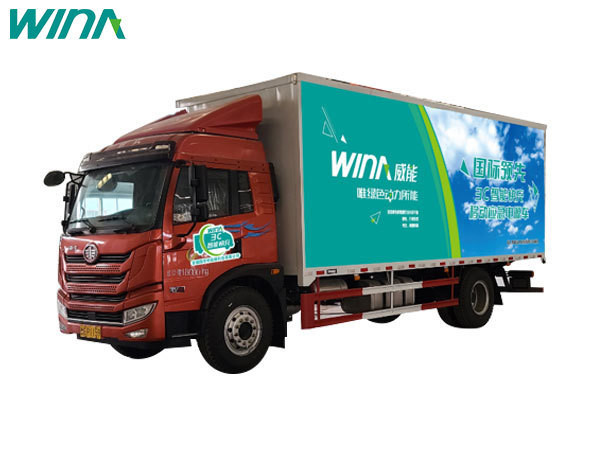
Understanding Intelligent Fast Charging 3C Systems and Their Importance
In today’s rapidly advancing technological landscape, the need for efficient energy solutions has never been more critical. **Intelligent Fast Charging 3C Systems** are emerging as a key player in addressing global energy needs. These systems not only enhance the efficiency of energy consumption but also pave the way for a sustainable future.
What Are Intelligent Fast Charging 3C Systems?
3C stands for **Current, Capacity, and Compatibility**. Intelligent Fast Charging 3C Systems refer to advanced charging solutions that prioritize quick energy delivery without compromising battery health or performance. They employ smart technology to adapt to the specific needs of various devices and vehicles, ensuring optimal charging speeds.
The Technology Behind Intelligent Fast Charging 3C Systems
Understanding the technology that powers these systems is essential for grasping their impact on energy consumption. Key components include:
1. Smart Charging Algorithms
These algorithms analyze the battery's state to determine the optimal charging speed and voltage. This adaptability helps extend the battery's lifespan while minimizing energy waste.
2. Wireless Charging Capabilities
Many modern systems incorporate wireless charging technology, allowing for convenient, cable-free power delivery. This innovation enhances user experience and encourages greater adoption of electric vehicles (EVs).
3. Real-Time Monitoring
Intelligent systems continuously monitor charging processes, adjusting parameters to ensure safety and efficiency. This feature prevents overheating and overcharging, which can significantly damage batteries.
The Global Energy Landscape: Challenges and Solutions
As our reliance on electronic devices and electric vehicles grows, so does the demand for energy. Understanding the challenges and solutions in this landscape is crucial for implementing effective charging systems.
Current Energy Challenges
The world faces several pressing energy challenges, including:
- **Depleting Fossil Fuels**: Traditional energy sources are becoming scarce, necessitating a shift to renewable resources.
- **Increased Demand**: The rise in electric vehicle usage and electronic devices has led to higher energy consumption.
- **Environmental Concerns**: The negative impact of conventional energy sources on the environment calls for cleaner alternatives.
How Intelligent Fast Charging 3C Systems Can Mitigate These Challenges
Intelligent Fast Charging 3C Systems offer several key advantages in addressing energy challenges:
- **Enhanced Efficiency**: By optimizing charging processes, these systems reduce energy waste, leading to lower consumption overall.
- **Integration with Renewable Energy**: Intelligent systems can be designed to utilize renewable energy sources, further decreasing reliance on fossil fuels.
- **Support for EV Adoption**: By providing faster charging options, these systems encourage more individuals to transition to electric vehicles, reducing carbon emissions.
The Role of Intelligent Fast Charging in Sustainable Energy Solutions
As we navigate the complexities of global energy needs, we must consider sustainable solutions. Intelligent Fast Charging 3C Systems play a vital role in this endeavor.
Promoting Renewable Energy Integration
Intelligent charging systems can be programmed to prioritize the use of renewable energy sources during peak generation times, such as during sunny or windy days. This dynamic approach not only optimizes energy consumption but also promotes the use of clean energy.
Improving Grid Stability
With the rise of electric vehicles, there is growing concern about the strain on electrical grids. Intelligent Fast Charging 3C Systems can help balance demand by adjusting charging times based on grid conditions. This capability ensures that the grid remains stable while accommodating an increasing number of electric vehicles.
Future Innovations in Intelligent Fast Charging Technologies
As technology continues to evolve, so too will the capabilities of Intelligent Fast Charging 3C Systems. Here are some anticipated innovations:
1. Ultra-Fast Charging Solutions
With advancements in battery technology, future charging systems may facilitate ultra-fast charging, significantly reducing the time taken to charge vehicles and devices.
2. Enhanced User Experience
Future systems will likely feature even more user-friendly interfaces, with mobile applications that allow users to monitor charging in real-time and receive notifications.
3. Smart City Integration
As urban areas increasingly adopt smart technologies, Intelligent Fast Charging 3C Systems will likely integrate with city infrastructure, providing seamless charging experiences in public spaces.
Case Studies: Successful Implementation of Intelligent Fast Charging Systems
Examining real-world examples of Intelligent Fast Charging 3C Systems can provide valuable insights into their applications and benefits.
Case Study 1: Urban Charging Stations
In cities like Amsterdam, urban charging stations equipped with intelligent fast charging technology have been installed to accommodate the growing number of electric vehicles. These stations feature smart algorithms that optimize charging speeds based on demand and energy availability, reducing wait times and energy costs.
Case Study 2: Fleet Management Solutions
Companies managing fleets of electric vehicles have adopted Intelligent Fast Charging 3C Systems to optimize their operations. By utilizing smart algorithms, these systems allow for efficient scheduling of charging times, minimizing downtime and reducing energy expenses.
Challenges in Implementing Intelligent Fast Charging 3C Systems
Despite the numerous benefits, the implementation of Intelligent Fast Charging 3C Systems is not without challenges.
Infrastructure Limitations
Many regions lack the necessary infrastructure to support widespread adoption of these systems. Upgrading existing electrical grids and installing charging points will require significant investment and planning.
Cost Considerations
While intelligent charging systems can eventually lead to cost savings, the initial investment may be a barrier for some businesses and consumers. Overcoming this challenge will require a concerted effort from governments, businesses, and communities.
Frequently Asked Questions (FAQs)
1. What is the primary function of Intelligent Fast Charging 3C Systems?
Intelligent Fast Charging 3C Systems aim to provide efficient and rapid charging for electric vehicles and electronic devices while optimizing energy consumption and extending battery life.
2. How do these systems promote the use of renewable energy?
These systems can be programmed to prioritize the use of renewable energy sources during charging, helping to reduce reliance on fossil fuels.
3. What are the potential future developments in charging technology?
Future developments may include ultra-fast charging capabilities, enhanced user interfaces, and smart city integrations to improve charging accessibility.
4. What are the main challenges faced in the implementation of Intelligent Fast Charging Systems?
Key challenges include infrastructure limitations, initial cost considerations, and the need for extensive planning and investment.
5. How do Intelligent Fast Charging Systems improve grid stability?
By adjusting charging times based on grid conditions, these systems can help balance energy demand, ensuring the stability of electrical grids amidst rising electric vehicle adoption.
Conclusion: The Path Forward for Intelligent Fast Charging 3C Systems
As we face escalating global energy demands, **Intelligent Fast Charging 3C Systems** represent a promising solution. Their ability to optimize energy usage, promote renewable resources, and facilitate the transition to electric vehicles is crucial for a sustainable future. By overcoming infrastructure and cost barriers, we can fully realize the potential of these innovative charging systems, ultimately leading to a greener, more efficient energy landscape. Embracing these technologies will not only enhance our daily lives but also contribute significantly to addressing the urgent energy challenges of our time.

Request Quote
Note: Please be sure to fill in the information accurately and keep communication open, we will get in touch with you as soon as possible